CO Two Week Training

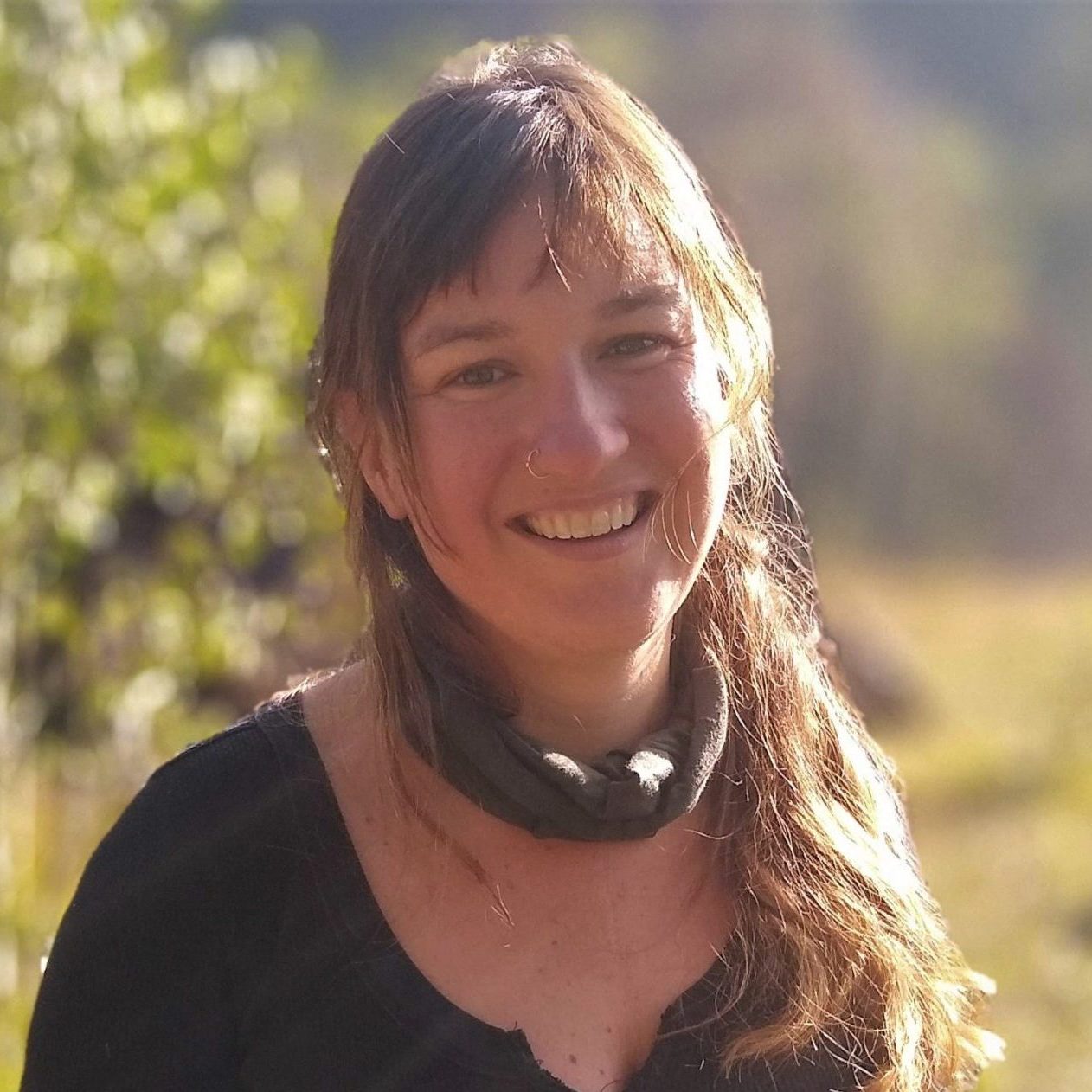
Sep 11th, 2026 - Sep 26th, 2026 | Wild Mountain, Colorado | Bettina Straub, Pedro McMillan
An Invitation
A rite of passage is, at its heart, about community. We may come to ceremony because of personal hardship or longing, but its real power is in how we bring that change back to our relationships—with our people, with the land. That’s how the world begins to change. In these times of radical political, cultural, and planetary upheaval, finding our place of belonging and offering our gifts to the community is not just meaningful—it is essential.
Answering the Call: Living Ceremony in Community
You belong here. The world is calling you to listen deeply and move in rhythm with nature. We are invited to step forward, to remember, and to return to initiatory ceremony as a core of community life.
You’ve already walked the path of a rite of passage—a reminder that the heart of this training is deep listening and reflecting the nature of this human journey with clarity, fostering belonging, and strengthening our service to the people. Together, we’ll explore how to live in right relationship. How do we stay present with what is? How do we move with trauma and pain, and begin to root into collective healing?
Becoming a guide: Practicing the Art of Witnessing and Mirroring
A rite of passage is coming home to ourselves and to our belonging with the land. This training is an experiential and creative immersion into initiatory practices. It includes both a solo fast and the foundational skills for guiding and mirroring solo nature experiences. More than anything, it is a training in how to know ourselves as part of community—to listen with presence, to mirror stories with care, to witness and be witnessed. This ancient art is rare in today’s world, and desperately needed.
This training invites you to find your own way of listening, your unique way of mirroring, your grounded way of showing up—for yourself, for others, and for the more-than-human world.
Come join us in the alpine splendor of the Rocky Mountains
Come and join us in the alpine splendor of the Rocky Mountains. We will gather on the welcoming land we call Wild Mountain, under billions of stars and surrounded by the community of beings on the land to witness and listen deeply. Then take this experience with you into the world, into your community as the initiated person you are.
Program Overview
Throughout the training, participants will wear two hats: one as a guide-in-training, learning the structure and skills of leading vision fasts, and the other as a participant, stepping into the deep personal experience of solo time on the land. The training flows in the following ways:
Preparation – 5 Days
Trainees engage in foundational teachings, council, and personal preparation. Topics include:
- Creating a safer ceremonial container
- Screening and preparing participants
- Cultural appropriation and ethical considerations
- The four shields of human-nature
- Shaping and working with intention
- Self-generated ceremony
Solo Experience – 4 Days & Nights
Trainees go into the mountains to find a solo place, setting up communication stone piles with buddies. They may choose to fast during this time. Some may remain at basecamp to support others rather than undertaking their own solo.
Integration – Final Days
Returning from the land, trainees share their stories and practice the art of mirroring for empowerment. We explore the training experience from the perspective of both guide and participant, considering how to bring this work into our lives, communities, and professions.
Learning Components
- Vision fast ceremony as a modern-day rite of passage
- Council and deep listening practices
- The four shields of human-nature
- Ethics and cultural awareness in ceremony
- The practice of mirroring stories
- Incorporating rites of passage into work and life
This training offers a profound journey of learning and healing, preparing participants to step forward in their communities as guides and initiators.
Prerequisite: Participation in at least one facilitated vision fast or solo experience.
Program Questions Contact: Bettina Straub @ [email protected]

Submit Waitlist form
This program is full; however, you may add your name to the Waitlist by clicking the Waitlist button below.
Submit enrollment form
Please fill out and submit the enrollment form and then pay the program deposit below. Before you pay the deposit, please read deposit section below, all deposits are non-refundable and non-transferable. After your enrollment form is complete, please submit all health and liability forms.
Pay program deposit
Deposits: This deposit signifies your commitment to the program and is deducted from the tuition balance. All deposits are non-refundable and non-transferable. They cover the work of the specific course you signed up for, including all communication involved as well as the fee that guides pay to the school administration for the course accounting.
Additional Deposit: Some programs require a second deposit to help us affirm commitments. Last minute cancellations make it hard to fill openings and incur a loss of income to the School and the guides.
Tuition Balance: Balance of tuition can be paid before or upon arrival. Simply deduct any deposits made from the amount you’ve chosen on the sliding scale.
Additional course details & Materials
Please plan to arrive by 3:00 pm on Friday, Sept 11. Our program will end by noon on Saturday, Sept 26. If flying into DIA, allow at least 5 hours or more for travel to ensure you don’t miss important group time. We encourage carpooling or sharing rentals whenever possible – reach out to us with questions! Buena Vista, a charming town with hot springs, is a lovely place to stay before or after the program. ADDITIONAL FEES: $120 Camping Fee to be collected at or before the time of the program. You will be responsible for bringing your own food for the first 6 days of our time together and your own equipment. You will need to bring gear and clothing suitable for a full range of weather. Extra equipment is available, please reach out to us if you need any additional gear.
You will be responsible for bringing your own food and equipment, though we can provide some gear if needed. We ask everyone to come prepared to live self-sufficiently. You will need to bring shelter and clothing suitable for a full range of inclement weather.
All participants must submit the required health questionnaire and liability form.
If you have questions about the enrollment process contact us at [email protected] or call 760-938-3333.
Required reading for this training includes The Trail to the Sacred Mountain: A Vision Fast Handbook for Adults, which contains information on flora, fauna, weather, emergency procedures as well as suggestions for preparing for the vision fast. We also recommend The Love Story, about the lineage of this work. Also, highly recommended is The Roaring of the Sacred River, a training manual for “field eco-therapy”. All publications are available at Lost Borders Press.
Wild Mountain is land of the Tabeguache Ute people and other Indigenous tribes who traveled through this area of the Colorado Rockies. The Ute lived and hunted in this abundant land of elk, buffalo, deer, and bear before white settlers came and forced them onto reservations in southwest Colorado and Utah.
To learn more about our commitment to regenerative relationships please visit Cultural Relations.