CA Mirroring the Four Shields of Human Nature: The Art of Storytelling and Listening

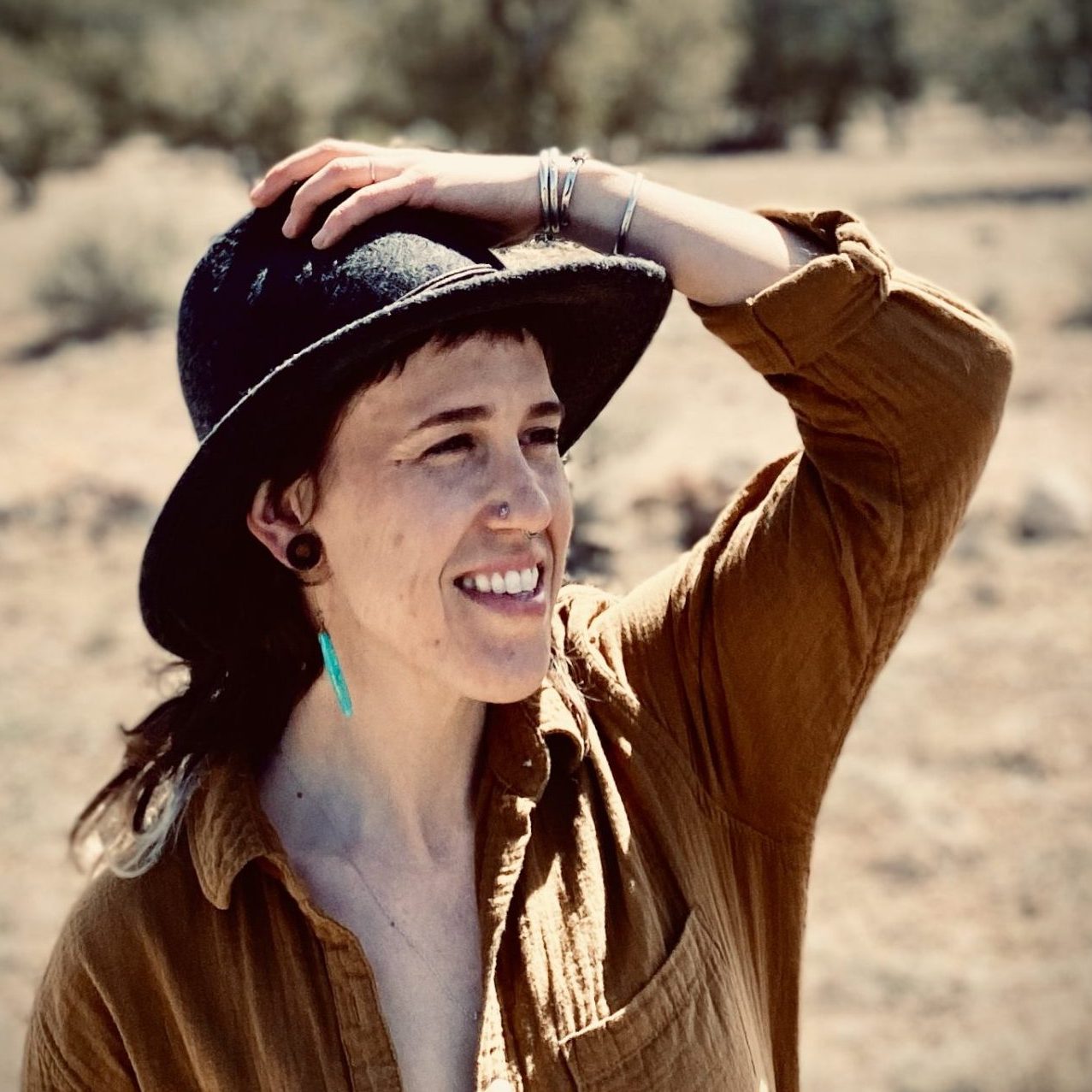
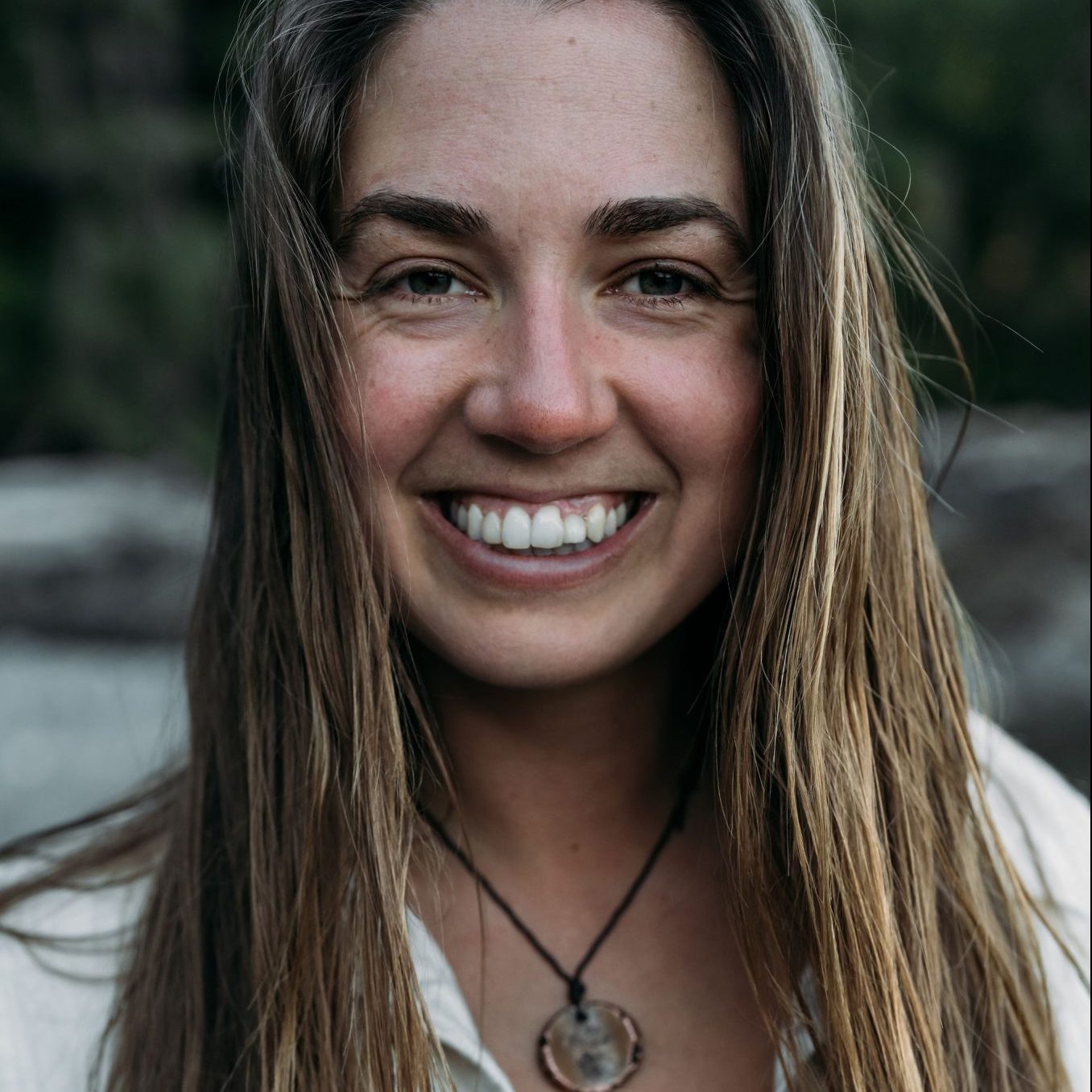
Sep 20th, 2027 - Sep 25th, 2027 | Big Pine, CA | Kim Belair, Gretchen (Grae) Gerlach
We need new stories, new terms and conditions that are relevant to the love of land, a new narrative that would imagine another way, to learn the infinite mystery and movement at work in the world.
– Linda Hogan, Chickasaw Poet, Writer & Environmentalist
The need to share and listen to stories lives deep in our bones. And yet, in today’s fast-paced world, many of us have forgotten how to truly speak from the heart—or how to listen in a way that honors what is being shared. But storytelling is more than art—it is an act of survival. It’s how we make meaning, connect with one another, and find our place in the larger web of life.
Without expression, our lives can feel voiceless. Without deep listening, we miss the truth and wholeness of another’s experience—their body, heart, mind, and spirit. The best stories reveal our shared humanity—our essential nature as beings who are physical, emotional, mental, and spiritual. And one of the most powerful ways to access those stories is by returning to nature, raw and unfiltered.
In this program, we invite you into a ceremonial space where storytelling and deep listening become tools for transformation. As we “myth” ourselves into being, we also express ourselves into becoming. Through story, we remember who we are—and we discover the courage, clarity, and resilience to grow beyond who we’ve been.
For those of us who hold space for others—whether as guides, therapists, leaders, or community members—learning how to truly hear and reflect the stories shared with us is a vital skill. It’s how we help others (and ourselves) live lives that are deeper, richer, and more aligned with the needs of our communities and the earth.
What to Expect:
This program blends nature-based ceremony, reflective storytelling, the art of mirroring and the practice of council. Through teaching circles, solo time on the land, and shared story councils, you’ll explore and develop a personal way of listening and speaking that draws on the full intelligence of your body, psyche, mind, and spirit.
As with all ceremonies at the School of Lost Borders, this experience invites you to cross your edges—to step beyond the familiar and into a place where transformation becomes possible.
We welcome all people; BIPOC, white folks, women and men, queer folx, transgender, gender fluid or non-conforming, and folks who diverge from the “norm” to this ceremony. We will likely form an intergenerational group of people over the age of 19. We see our diversity as a gift to the whole.
Lost Borders works to keep our offerings accessible to all those who are called, especially those from systematically marginalized communities. We do not turn anyone away due to lack of resources, and scholarships are available.
If you have already registered click here to make additional payment for the program

Submit Waitlist form
This program is full; however, you may add your name to the Waitlist by clicking the Waitlist button below.
Submit enrollment form
Please fill out and submit the enrollment form and then pay the program deposit below. Before you pay the deposit, please read deposit section below, all deposits are non-refundable and non-transferable. After your enrollment form is complete, please submit all health and liability forms.
Pay program deposit
Deposits: This deposit signifies your commitment to the program and is deducted from the tuition balance. All deposits are non-refundable and non-transferable. They cover the work of the specific course you signed up for, including all communication involved as well as the fee that guides pay to the school administration for the course accounting.
Additional Deposit: Some programs require a second deposit to help us affirm commitments. Last minute cancellations make it hard to fill openings and incur a loss of income to the School and the guides.
Tuition Balance: Balance of tuition can be paid before or upon arrival. Simply deduct any deposits made from the amount you’ve chosen on the sliding scale.
Additional course details & Materials
We encourage you to arrive at Cedar Flat Campground in the afternoon/evening of Sept 19th (our campsite is available beginning at 4pm), which is the day before we officially start. Our first council will begin at 10:00 a.m. on Sept 21st. We will complete our ceremony by 3pm on September 25th.
ADDITIONAL FEES: Camping Fee of $80-$100 will be collected at the time of the program.
You will be responsible for bringing your own food and equipment, though we can provide some gear if needed. We ask everyone to come prepared to live self-sufficiently. You will need to bring shelter and clothing suitable for a full range of inclement weather.
All participants must submit the required health questionnaire and liability form.
If you have questions about the enrollment process contact us at [email protected] or call 760-938-3333.
There is no required reading for this program.
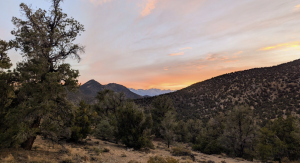
We acknowledge that The School of Lost Borders is located in Payahuunadü “land where water flows”. Which is the ancestral, historical and contemporary homelands of the Nüümü (Paiute) and Newe (Shoshone) peoples. Our group will gather 13 miles out of a small town called Big Pine, in the remote White-Inyo Mountains (which loosely translates as 'the dwelling of a big spirit'.) We recognize how the colonial history of this area, that includes broken treaties, stolen land, and crimes against humanity still impacts the people of this region and the land they continue to steward. We contribute time, energy and funds to local Indigenous organizations and projects toward the restoring of right relations. Guides will donate a portion of the program profits to the tribe for land use during this program. If participants also wish to donate to tribal organizations, guides can offer recommendations and support.
To learn more about our commitment to regenerative relationships please visit Cultural Relations.